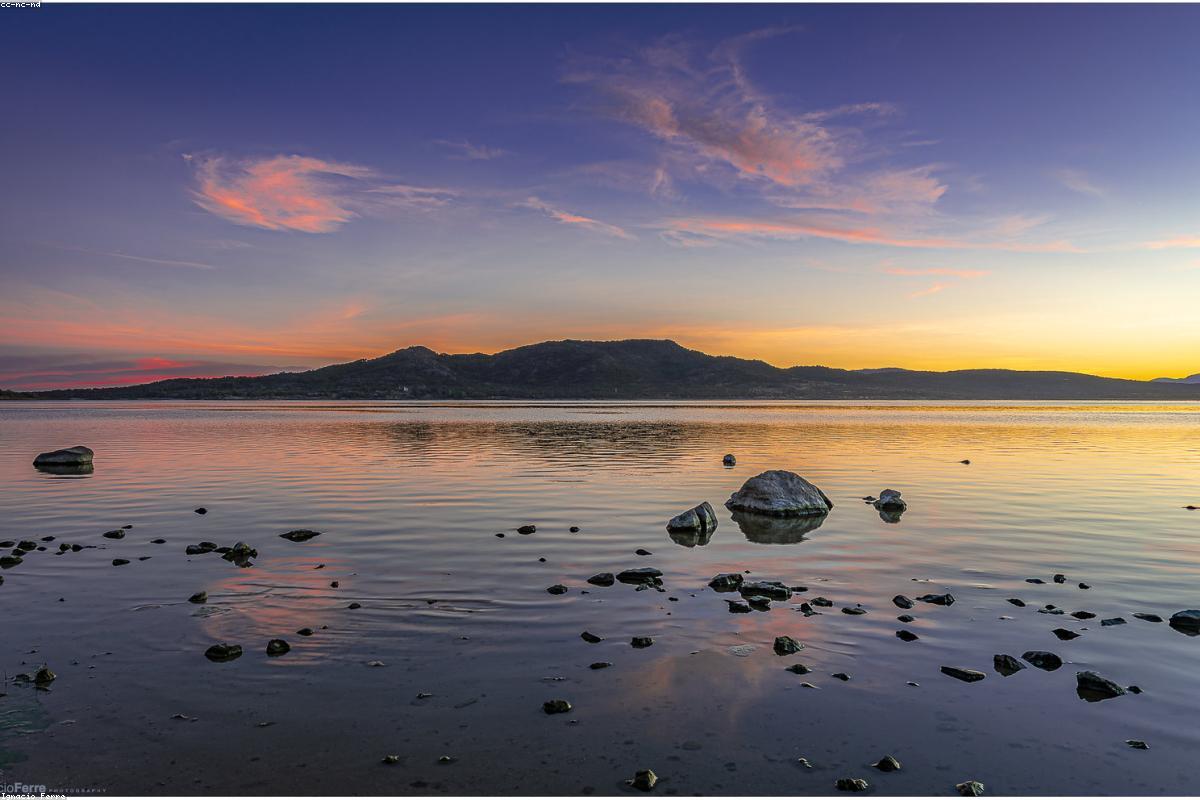
There is a version of London that most people never see, one that begins early in the morning at the edge of a cold pond or a fifty-metre pool of unheated water, where a surprising number of ordinary residents swim outdoors all year round. Outdoor swimming has quietly become one of the city’s most beloved habits, and it is far more accessible than it looks from the outside. You do not need to be an athlete, own special equipment, or live near the coast. You need a towel, a bit of nerve, and some understanding of where to go and how to do it safely.
The two kinds of outdoor swimming
It helps to separate the options into two families. The first is the lido, an outdoor pool, usually rectangular and often historic, filled with treated water and staffed by lifeguards. Lidos range from heated pools you can enjoy in comfort even in cooler months to vast unheated tanks that become genuinely bracing in winter. The second family is open water: ponds, lakes and rivers where you swim in natural water among ducks and reeds, with all the beauty and all the extra caution that implies. Both are wonderful, but they ask slightly different things of you.
The great appeal of the lido is predictability. The water is clean and tested, the depth is known, someone is watching, and there are changing rooms and often a cafe. Open water offers something the lido cannot, a sense of swimming in nature in the middle of a huge city, but it demands more respect because conditions vary, the bottom is not visible, and there is no shallow end to stand up in.
Where to go
London is unusually rich in places to swim outdoors, and each has its own character. The bathing ponds on Hampstead Heath are the most famous open-water spots, with separate men’s and ladies’ ponds and a mixed pond, open through the seasons to swimmers who have grown to love the cold. Nearby, the lido on Parliament Hill offers a long unheated pool with a gleaming stainless-steel base. South of the river, the enormous unheated lido at Tooting Bec is one of the largest in the country and a summer institution, while Brockwell lido in Herne Hill draws a devoted crowd. London Fields lido in the east is heated, which makes it a good year-round starting point for the nervous. In the very centre, the lido on the Serpentine in Hyde Park lets you swim in a royal park lake, and the swimming club there is famous for its Christmas Day dip.
- For a gentle, warm introduction, choose a heated lido and go on a mild day.
- For classic open-water beauty, head to the Hampstead ponds and go early.
- For a big, social summer swim, aim for one of the large unheated lidos.
- For a sense of occasion in the middle of town, try the lake in a royal park.
Getting into cold water safely
The single most important thing to understand about outdoor swimming is cold-water shock. When you plunge suddenly into cold water, your body gasps involuntarily and your heart rate spikes, and this reflex, not the temperature itself, is what makes cold water genuinely dangerous if you are careless. The response to it is simple and non-negotiable: get in slowly. Lower yourself gradually, let your breathing settle before you put your shoulders under, and never jump or dive into cold open water when you are not acclimatised.
Acclimatisation is real and it builds over weeks. People who swim through the winter almost always got there by swimming through the autumn, staying in for shorter and shorter times as the temperature dropped, letting their bodies adjust a little each visit. If you start in summer and keep going as the season turns, you can reach genuinely cold water without ever experiencing a shock, because you were never far ahead of where your body had already adapted. Trying to leap straight into four-degree water in January with no preparation is how people get into trouble.
- Enter slowly and control your breathing before submerging your chest and shoulders.
- In cold months, keep swims short; minutes, not lengths, are the measure that matters.
- Never swim alone in open water, and stick to designated, supervised areas.
- Warm up gradually afterwards rather than jumping straight into a hot shower.
The afterdrop and warming up properly
One counter-intuitive detail catches out beginners: you often feel coldest not in the water but ten or fifteen minutes after you get out. This is the afterdrop, as cold blood from your limbs circulates back towards your core, and it is why experienced swimmers treat drying and dressing as part of the swim rather than an afterthought. The routine is worth copying. Get out before you are shivering, dry off quickly, and layer up immediately, starting with a warm hat because a lot of heat is lost from the head. A flask of something hot and a woolly hat waiting in your bag are not luxuries in winter; they are the difference between a glorious morning and a miserable one.
Resist the temptation of a scalding shower straight away, because rapidly heating cold skin can make you feel faint. Gentle, gradual warming, warm layers, a hot drink, moving around, is safer and, oddly, more pleasant. The glow that follows a cold swim, sometimes called the swimmer’s high, arrives during this warming phase, and rushing it robs you of the best part.
Making it a habit
What surprises most people who try outdoor swimming is not the cold but how quickly it becomes something they look forward to. There is the physical jolt, which leaves you alert and oddly cheerful for hours, and there is the social side, because these places are full of regulars who are friendly precisely because they share a slightly eccentric enthusiasm. Many spots have swimming clubs or memberships that make regular visits cheaper and give you a season pass to a pond or lido that becomes a second home.
The barrier to starting is almost entirely mental. The practical requirements are trivial, the locations are dotted all over the city and reachable by public transport, and the only real skill is patience: going in slowly, building up gradually, and treating the water with respect. Start on a warm day at a heated lido if the cold intimidates you, and let curiosity carry you from there. Before long you may find yourself, like thousands of Londoners before you, setting an alarm on a grey winter morning for no better reason than the strange, bracing joy of getting into cold water before the rest of the city wakes up.